Nigeria Imposes New Crypto Rules and Bans Algorithmic Stablecoins
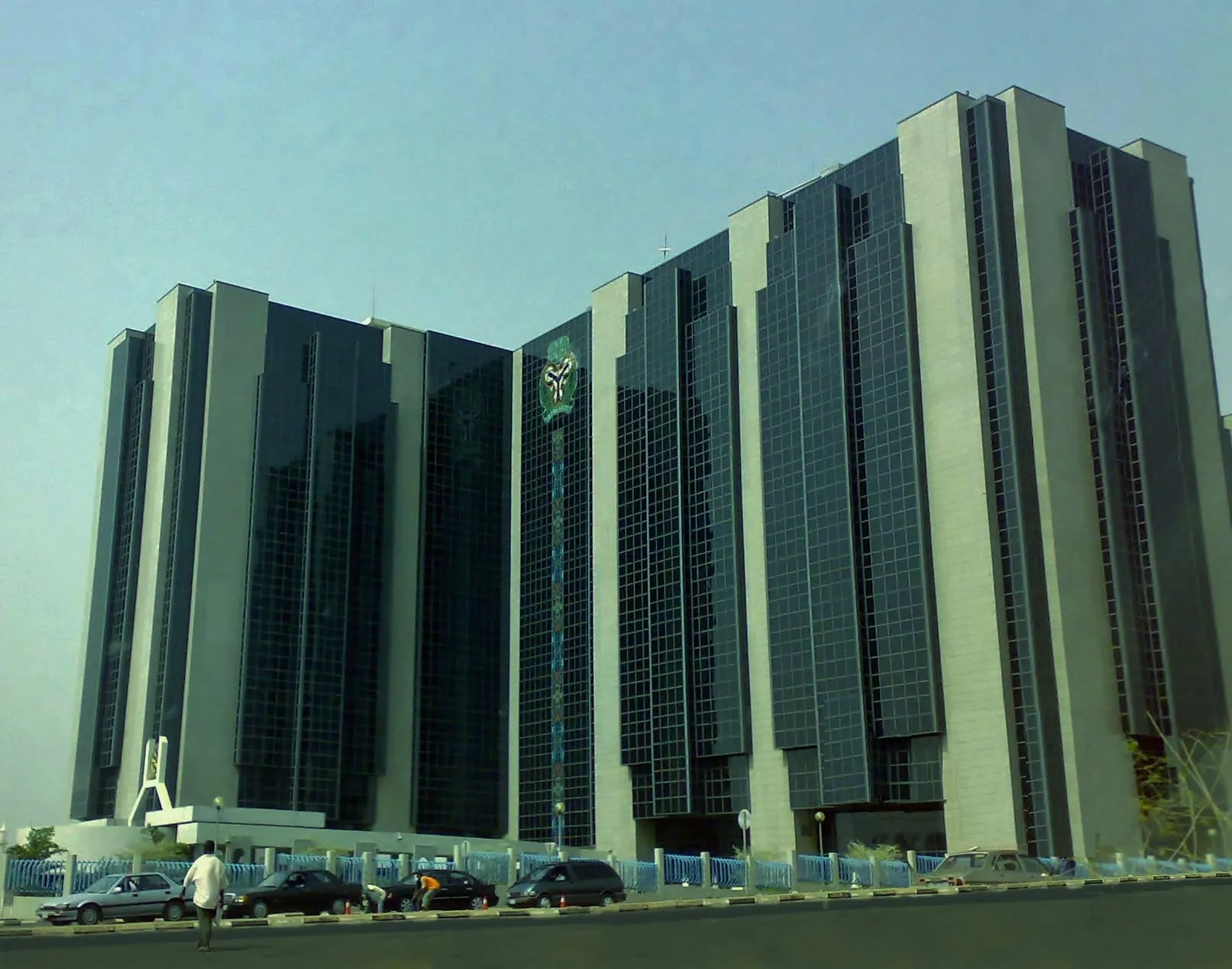
Central Bank mandates cash reserves and minimum capital for industry firms
The Central Bank of Nigeria has established new licensing standards for crypto asset companies. The regulation covers payment service providers, exchanges, and custodians with a focus on financial stability.
The new guidelines prohibit the use of algorithmic stablecoins. Issuers must ensure full backing of tokens with reserve assets and maintain an additional liquidity buffer of at least 2% of the total value.
At least 40% of reserves must consist of cash or highly liquid assets. The rule requires issuers of stablecoins pegged to the local currency to hold paid-up capital of 10 billion naira.
For tokens pegged to foreign currencies, the capital requirement rises to 15 billion naira. Payment service and custody providers must maintain a minimum capital of 1 billion naira to operate legally in the country.
Companies already active in the market have a 180-day window to apply for the necessary authorizations. The measure reflects a government effort to coordinate sector oversight following periods of tension with major global exchanges.
Spotted an error? Write to suporte@criptoico.com.br.