US Elections and Middle East Tensions Weigh on Asia-Pacific
Regional nations seek shifts in US trade and energy policy following the impact of the war against Iran.
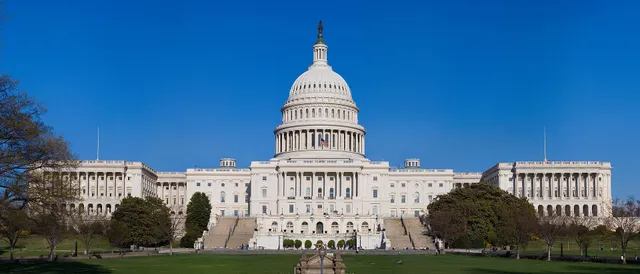
Governments and businesses across the Asia-Pacific region are closely monitoring the US midterm elections. Expectations for changes to Donald Trump's foreign policy are rising due to the severe impacts caused by the war against Iran and trade tariffs imposed by the American administration.
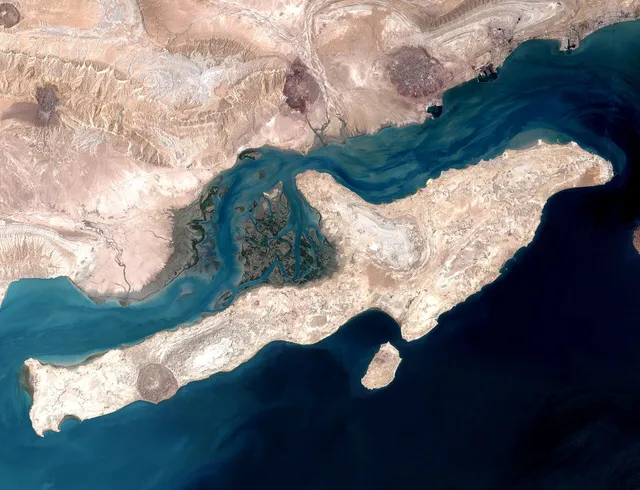
The conflict triggered a significant energy shock following the closure of the Strait of Hormuz. The Philippines has faced a national energy emergency since March because of its reliance on Gulf oil. Other nations including Thailand, Vietnam, Indonesia, and Malaysia have increased subsidy spending to protect consumers from rising fuel costs.
Experts assess that a potential Democratic victory in the US Congress will bring few practical changes to the handling of the conflict. Legislative control is expected to result only in investigations and oversight hearings regarding executive actions. The president maintains the position that attacks on Iran are carried out under the argument of self-defense.
In parallel, the financial technology sector is seeking expansion in the region. WeBank Technology Services, a unit of the Chinese giant Tencent, recorded millions in revenue over the last year. The company is focusing on the demand for digital banking infrastructure in countries that are part of China's Belt and Road Initiative.
Spotted an error? Write to suporte@criptoico.com.br.