
Circle Shareholder Sues Trump Over UAE Crypto Business Deals
Lawsuit claims crypto transactions diverted Circle profits and violated constitutional emoluments clauses.
Regulation Editor: Fabricio Marcilio 1 min read
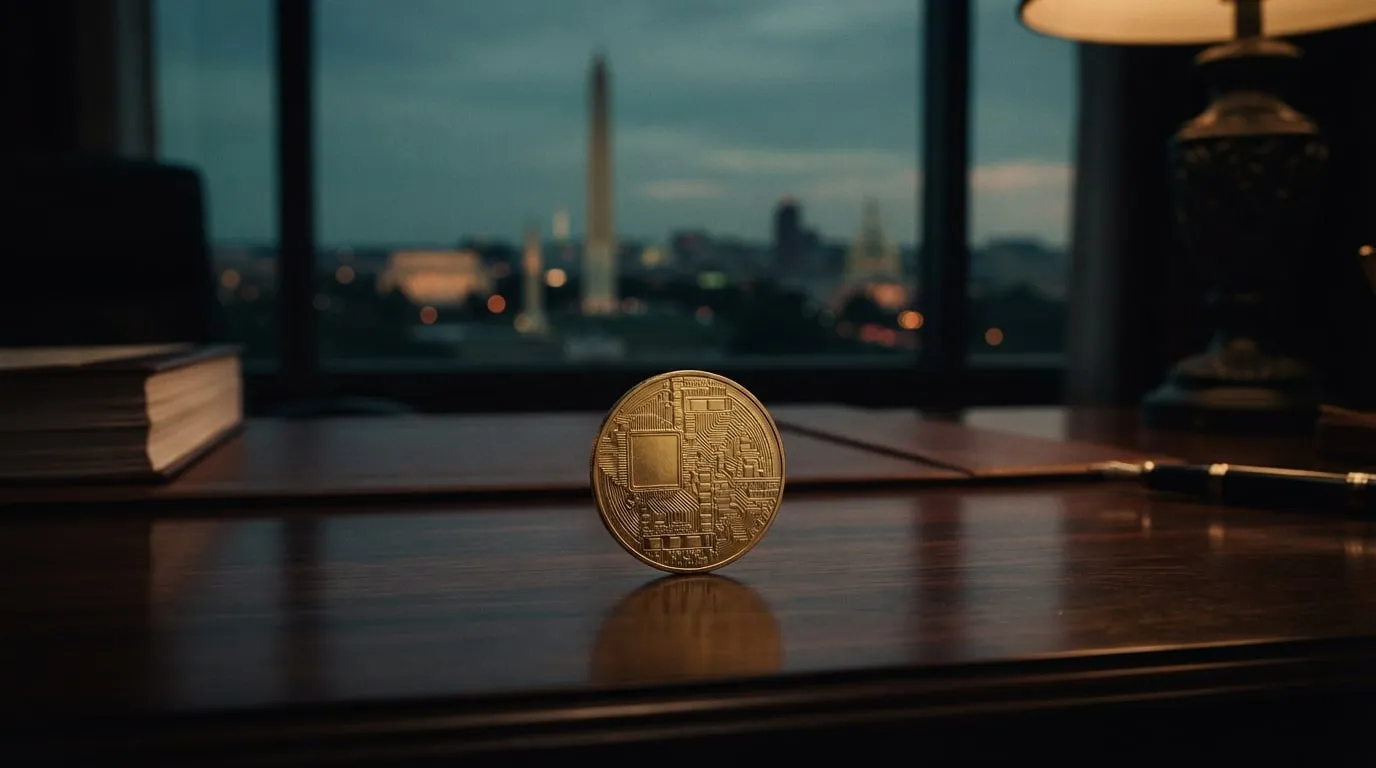
A Circle shareholder has filed a lawsuit against President Donald Trump in a Washington federal court. The complaint alleges that crypto asset deals linked to the United Arab Emirates enriched the president's family. The plaintiff holds 10,000 shares of the company that issues the USDC stablecoin.
The lawsuit challenges a 500 million dollar investment in World Liberty Financial. According to the document, 187 million dollars of the initial payment went to entities connected to Trump. This total amount allegedly violated constitutional restrictions regarding the receipt of benefits from foreign governments.
The petition also cites a 2 billion dollar transaction involving the USD1 stablecoin. The shareholder argues that these deals diverted profitable revenue that should have gone to Circle. The potential annual value of these operations is estimated at up to 82 million dollars.
The complaint details that the firm Aryam, linked to a national security advisor from the UAE, acquired a stake in World Liberty. Executives connected to this network held board seats before the launch of the USD1 token. The plaintiff asserts that Congress did not authorize such payments.
The case raises questions about the influence of global financial flows on digital assets and the governance of projects linked to political figures. The legal dispute places the relationship between stablecoin issuance and large-scale international transactions under scrutiny.
Spotted an error? Write to suporte@criptoico.com.br.
More in Regulation
-
OCC Invites Community Banks to Enter Stablecoin Market
US regulator encourages smaller institutions to issue dollar-pegged tokens under new federal rules.
Regulation
-
Canada Launches Public Consultation on New Stablecoin Rules
Proposal mandates full backing in local institutions and keeps the ban on yield payments to asset holders.
Regulation
-
South Korea Weighs Another Delay for Crypto Tax
Government considers pushing the levy to 2029 due to a lack of tax data from the United States
Regulation