

Bangladesh Forms Wage Board Following Textile Sector Protests
The government aims to quell worker unrest over rising living costs.
Geopolitics Editor: Fabricio Marcilio 1 min read
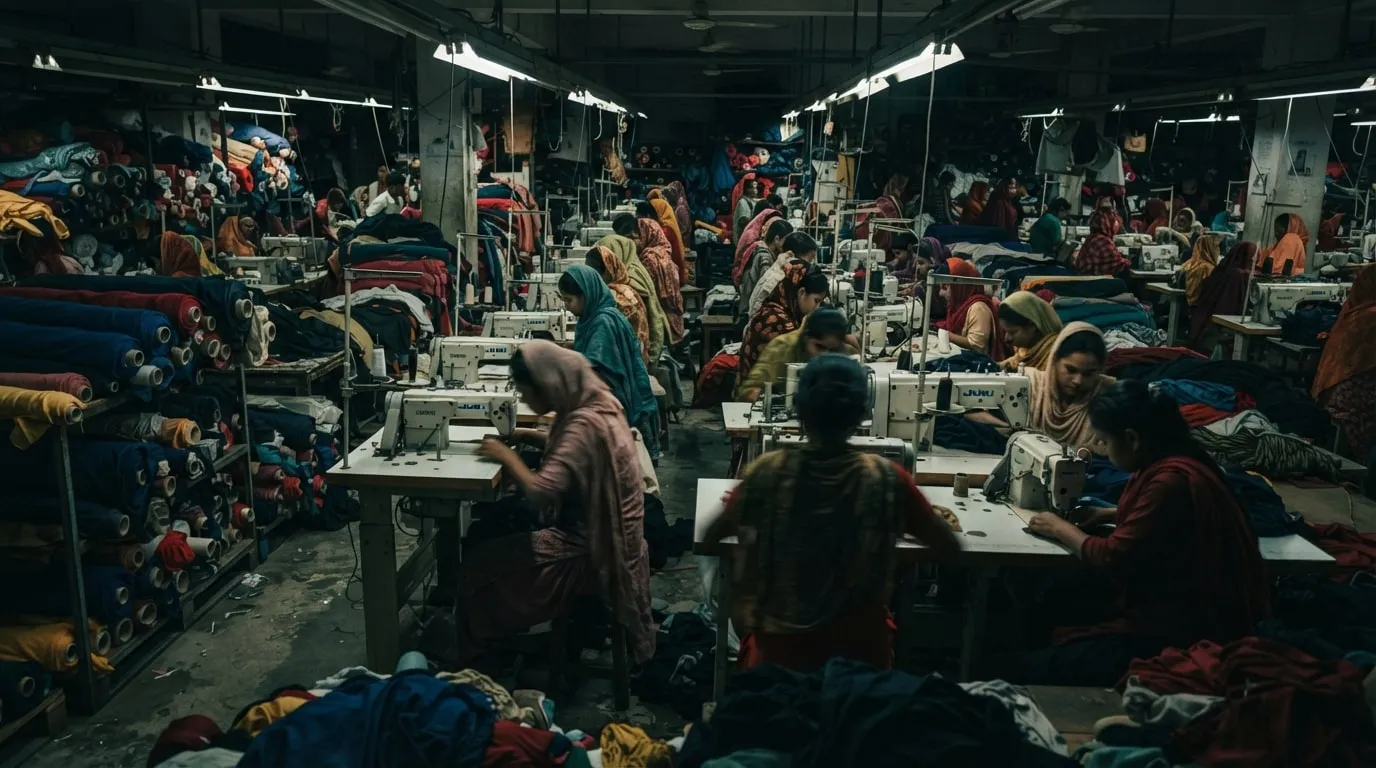
The government of Bangladesh has established a new wage board to review pay for textile workers. This move is an attempt to end a wave of protests that has paralyzed major industrial hubs around the capital, Dhaka.
Thousands of employees continued their demonstrations even after the official announcement. Clashes erupted with police, who used stun grenades and tear gas to disperse crowds in industrial areas.
Workers are demanding a monthly salary of 30,000 taka, which is more than double the current rate of 12,500 taka. The group argues that inflation in basic items like food, housing, and transportation has made the current wage insufficient for survival.
The textile sector is the pillar of Bangladesh's exports and accounts for about 10% of the national gross domestic product. Representatives from the government, workers, and factory owners make up the new board responsible for setting the minimum wage.
Authorities warned that prolonged work stoppages could disrupt shipments to international buyers. The sector faces additional challenges due to energy shortages and high production costs linked to global geopolitical instability.
Spotted an error? Write to suporte@criptoico.com.br.
More in Geopolitics
-
Qatari LNG Ship Struck by Unidentified Objects in the Gulf
The Al Mayeda vessel was hit while navigating, but the operator reported no injuries or environmental damage.
Geopolitics
-
Unalaska Crisis Highlights Impact of US Foreign Policy
Alaskan fishing hub faces soaring energy costs and federal budget cuts under Donald Trump's administration.
Geopolitics
-
Yemeni Government Forces Retake Strategic Positions in al-Jawf
Troops recovered weapons and ammunition caches following a counteroffensive in the country's north
Geopolitics