
Jensen Huang Sees No Memory Supply Glut Through 2029
Nvidia's CEO expects AI component demand to remain robust and dismisses fears of a semiconductor market saturation.
Artificial intelligence Editor: Fabricio Marcilio 1 min read
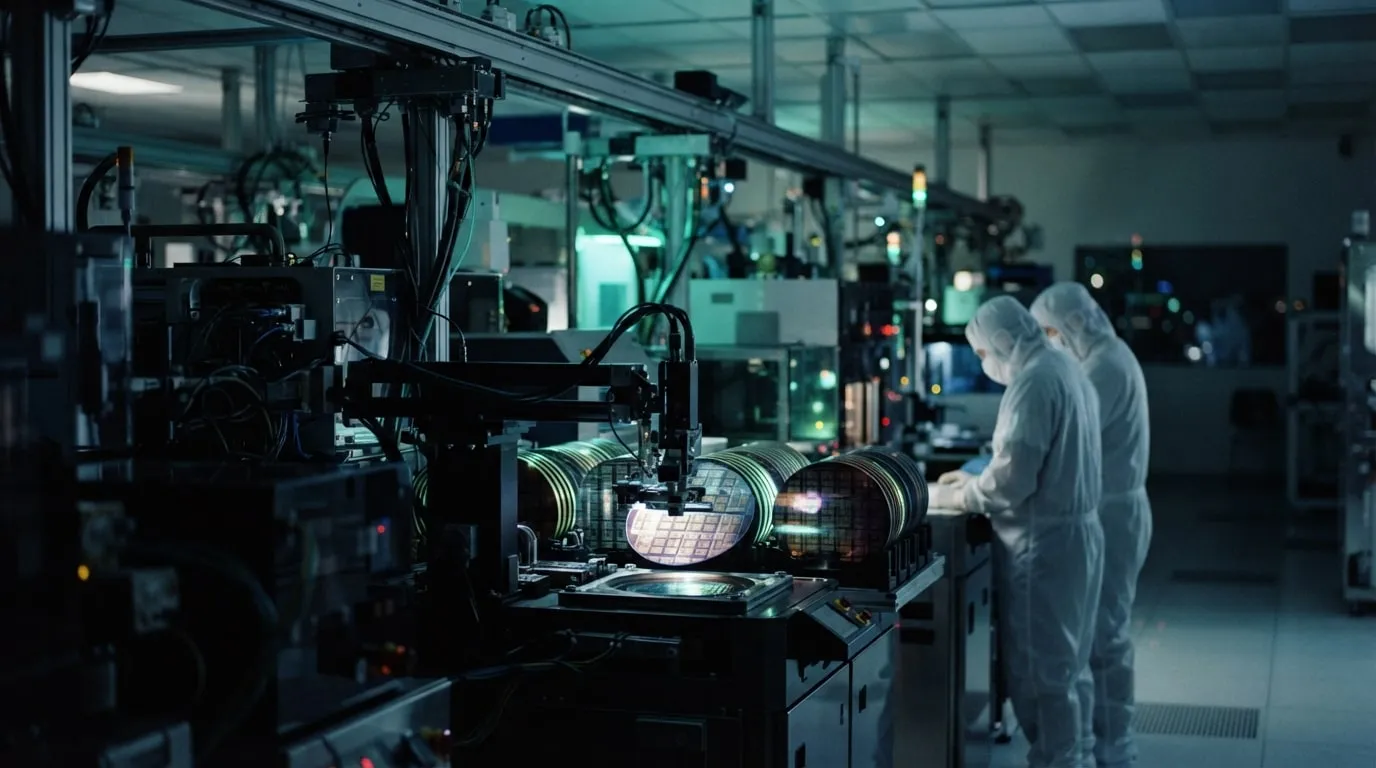
Nvidia CEO Jensen Huang stated that he does not expect a supply surplus in the memory market until 2029. This declaration follows a recent drop in sector stocks driven by fears that demand for artificial intelligence chips might slow down.
Huang emphasized that the need for memory is growing and constant in technological development. He noted that the company will continue to use large volumes of components, including HBM and LPDDR memory, to increase the energy efficiency of its data centers.
The debate over the future of the sector gained momentum after a South Korean publication suggested that the current boom cycle could end soon. Experts cited in the report pointed to a potential oversupply that would turn the market into an environment of extreme competition by the end of the decade.
Investor concerns were also fueled by technological advances from China's ChangXin Memory Technologies. The company announced new architectures that created uncertainty regarding the market share of giants like Samsung and Micron.
Regarding global competition, Huang acknowledged China's manufacturing capacity. He reinforced that Nvidia maintains an open stance to work with companies from various regions given the complexity of the global supply chain.
Spotted an error? Write to suporte@criptoico.com.br.
More in Artificial intelligence
-
SoftBank Plans $50 Billion Tech Investment in Malaysia
The massive bet focuses on AI and data centers to turn the country into a tech hub by 2030.
Artificial intelligence
-
Microsoft Offers Voluntary Buyouts to 60,000 Employees
The tech giant seeks operational efficiency while scaling massive investments in artificial intelligence infrastructure.
Artificial intelligence
-
Anthropic Prepares for Nasdaq IPO
AI firm plans historic listing after reporting an $80.7 billion loss in the first half of the year
Artificial intelligence