
Serbian Elections Test Strength of Student Movement
Students seek justice for the Novi Sad tragedy and challenge Aleksandar Vučić in a decisive parliamentary vote.
Geopolitics Editor: Fabricio Marcilio 1 min read
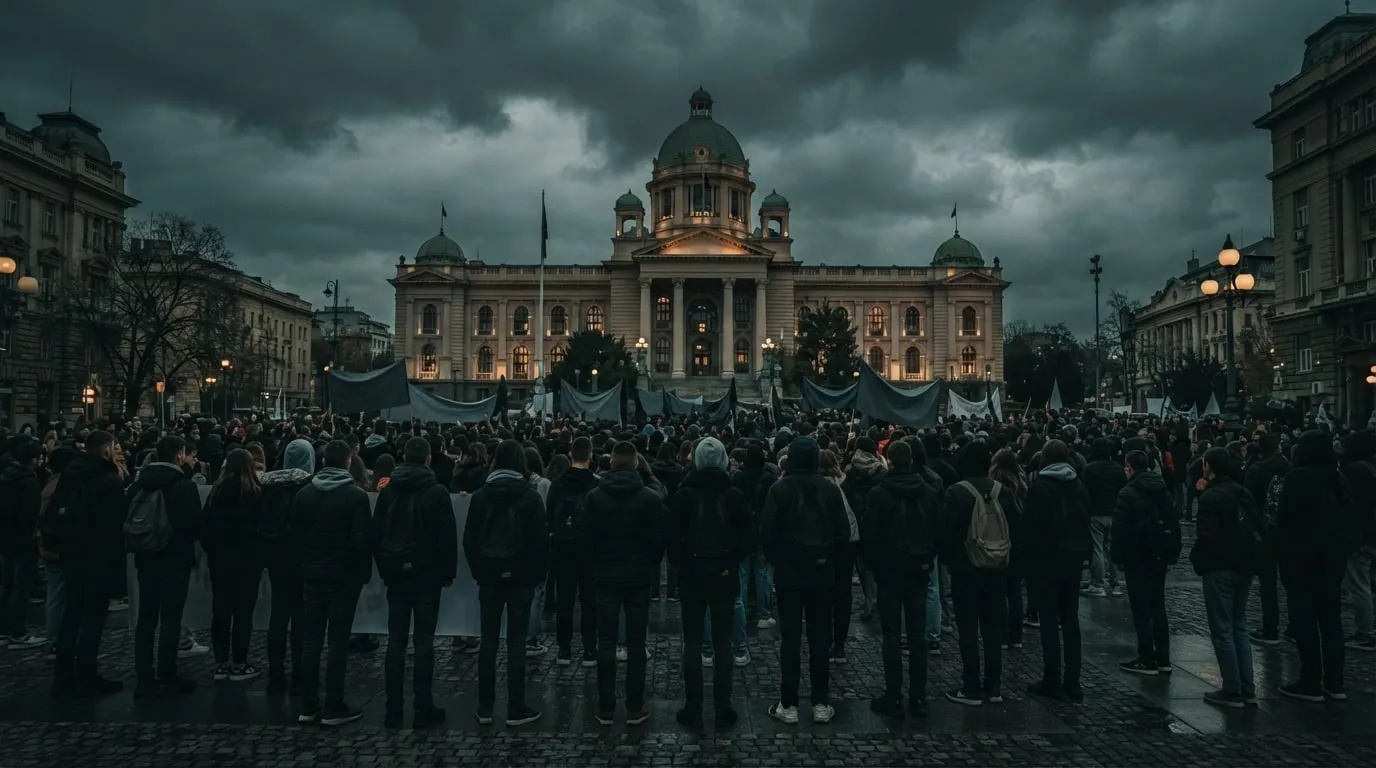
The parliamentary elections in Serbia have become a test for the government of Aleksandar Vučić. The student movement, which emerged after a roof collapse at a railway station in Novi Sad, launched its own list of 250 candidates. The accident caused the death of 16 people and sparked protests against corruption for nearly two years.
Cardiologist and professor Ilija Srdanović leads the student ticket. The group lacks a formal hierarchy or a single defined leader. The organization grew out of university assemblies and represents the greatest political challenge to Vučić's party since 2012. The current government has held power for over a decade.
Aleksandar Vučić, who resigned from the presidency to run for prime minister, maintains a loyal base of support. His followers value recent economic growth and infrastructure projects carried out across the country. The Serbian leader has labeled the student movement a force backed by foreign interests.
The race reflects a moment of uncertainty regarding the nation's diplomatic future between the European Union and Russia. The election results could alter internal political stability and Serbia's economic trajectory. The lack of reliable polling increases the atmosphere of anticipation surrounding the outcome.
Spotted an error? Write to suporte@criptoico.com.br.
More in Geopolitics
-
Trump Weighs Deal or Military Action Against Iran
The U.S. President says he is nearing a decision on the future of diplomatic and military relations with Tehran.
Geopolitics
-
UN Investigators Cite Crimes Against Humanity in West Bank
Report details extermination and sexual violence during Israeli military operations in the territory occupied since 1967.
Geopolitics
-
Cyprus Signs $1.8 Billion Deal to Develop Gas Field
Project aims to export natural gas to Europe via Egypt starting in 2028
Geopolitics