Nigeria Sets New Rules for Dollar-Pegged Stablecoin Issuers
Issuers must secure local licenses and token approval to serve retail users
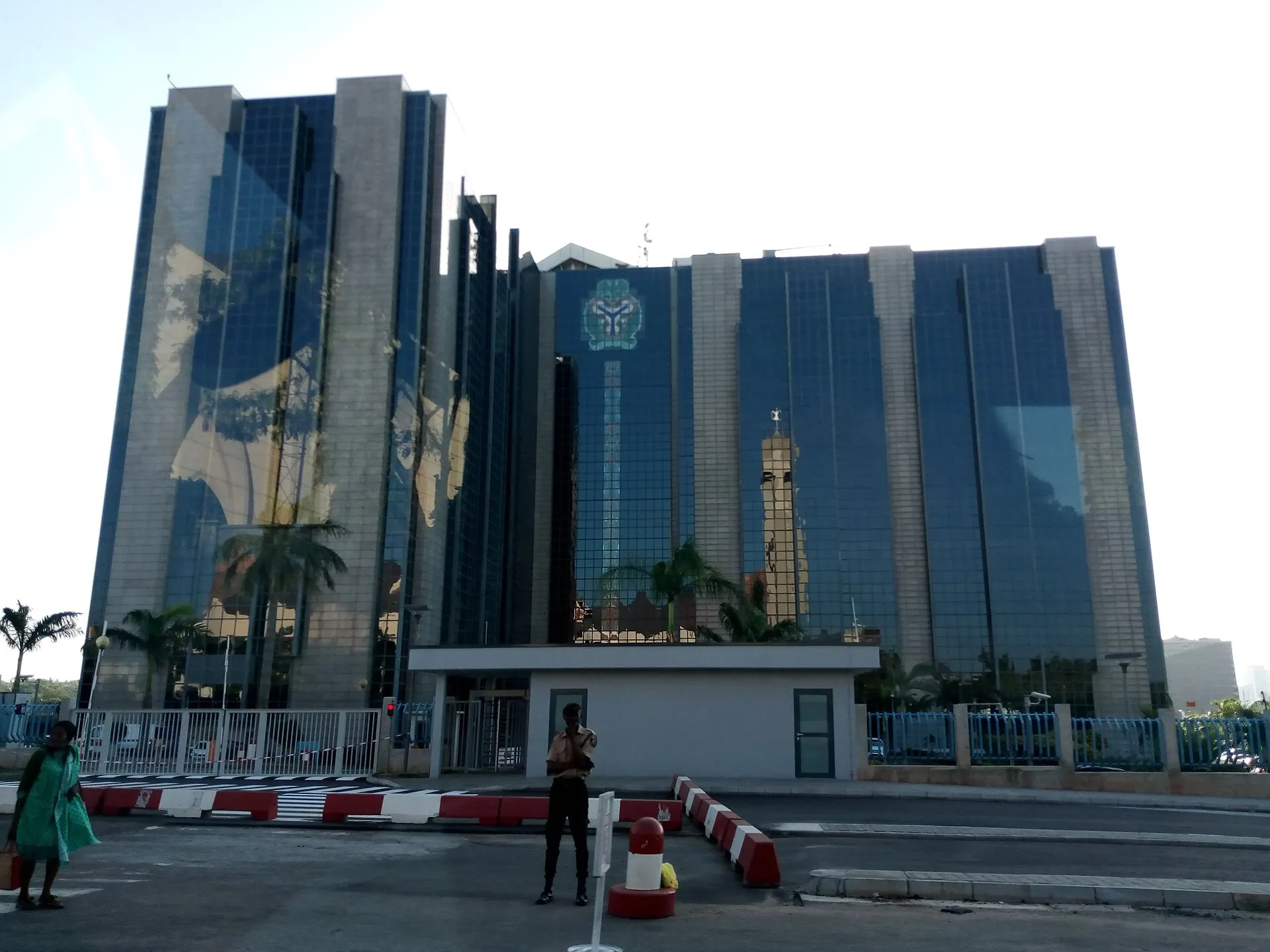
The Central Bank of Nigeria has established new guidelines for the offering of dollar-pegged stablecoins. Companies wishing to serve retail customers in the country must have a locally incorporated entity and obtain specific licenses.
The regulations took effect on November 5, 2026. Existing operators have a 180-day window to submit authorization requests. During this transition period, continued operations depend on express permission from the monetary authority.
The regulation classifies these assets as Class 2. Foreign licenses or partnerships with local intermediaries do not replace the requirement for a dedicated structure within Nigeria. Companies must maintain a physical office, local management, and a resident compliance officer.
The rule provides an exception allowing the use of foreign stablecoins only for wholesale cross-border settlement. Retail access remains restricted to the local issuance model. The use of these assets to settle obligations denominated in naira also remains limited by existing foreign exchange laws.
The global crypto market is facing increased regulatory pressure on stablecoins. Changes of this nature raise liquidity risks for platforms operating in emerging jurisdictions without a physical presence.
Spotted an error? Write to suporte@criptoico.com.br.