

Texas Border Voters Rethink Political Allegiances Amid Crisis
Rio Grande Valley residents report financial hardship and disillusionment with both major US parties.
Macroeconomics Editor: Fabricio Marcilio 1 min read
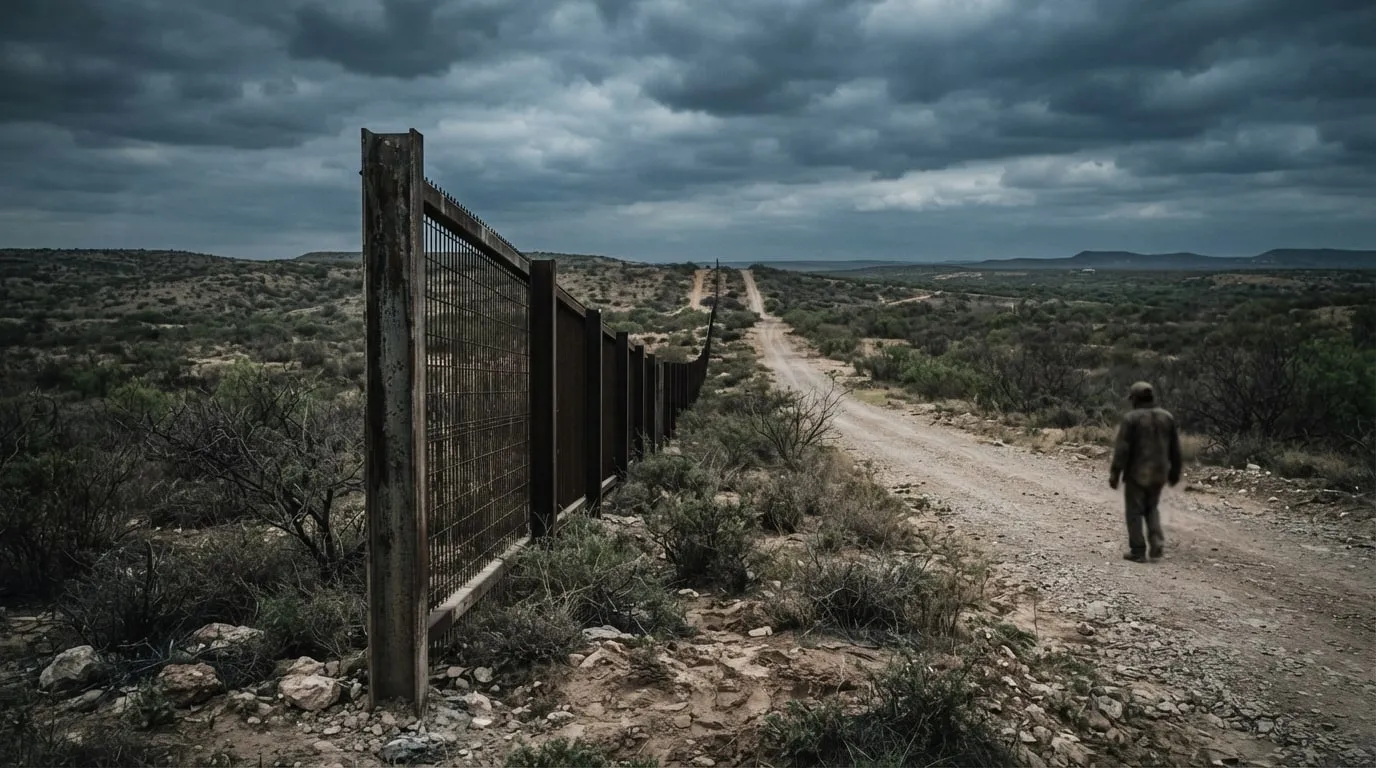
Residents of the Rio Grande Valley in Texas are showing growing dissatisfaction with the current political landscape. The region, historically tied to the Democratic Party, saw a shift toward Republicans in 2024. Today, many voters state that economic promises have failed to materialize.
Local business owners point to rising freight costs and the impact of tariffs as factors hurting their operations. The perception that governments prioritize foreign issues over the needs of the middle class is fueling frustration. Hard work by the local population no longer seems enough to ensure financial stability.
The Republican Party is trying to consolidate gains made in the last election when it won 14 of the 18 border counties. The goal is to capture seats held by Democrats in the region. Meanwhile, the Democratic Party is seeking to regain ground by leveraging the disapproval of certain political figures among the Latino population.
The climate of political uncertainty in Texas reflects a broader discontent with the management of the domestic economy. The electoral race has become a battlefield where party loyalty loses strength in the face of financial reality. Local voters are showing that they do not intend to maintain blind support for any party.
Spotted an error? Write to suporte@criptoico.com.br.
More in Macroeconomics
-
Rising Candy Prices Reflect Inflationary Pressure in the US
Chocolate and treat costs rose 15.3% in a year, straining American family budgets.
Macroeconomics
-
French Economy Stagnates as GDP Declines
France's GDP fell 0.1% in the third quarter amid uncertainty over the national budget.
Macroeconomics
-
Eurozone Economy Grows 0.4% in the Third Quarter
France faces economic contraction while Germany maintains a slow pace of growth
Macroeconomics