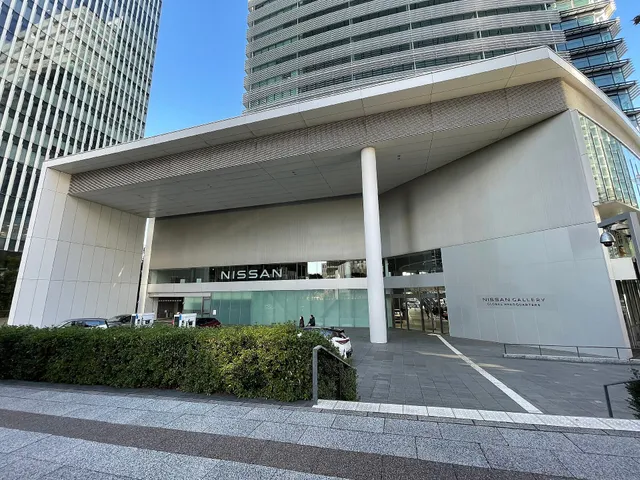
Nissan Cuts Gas Car Production Amid Weak Demand in China
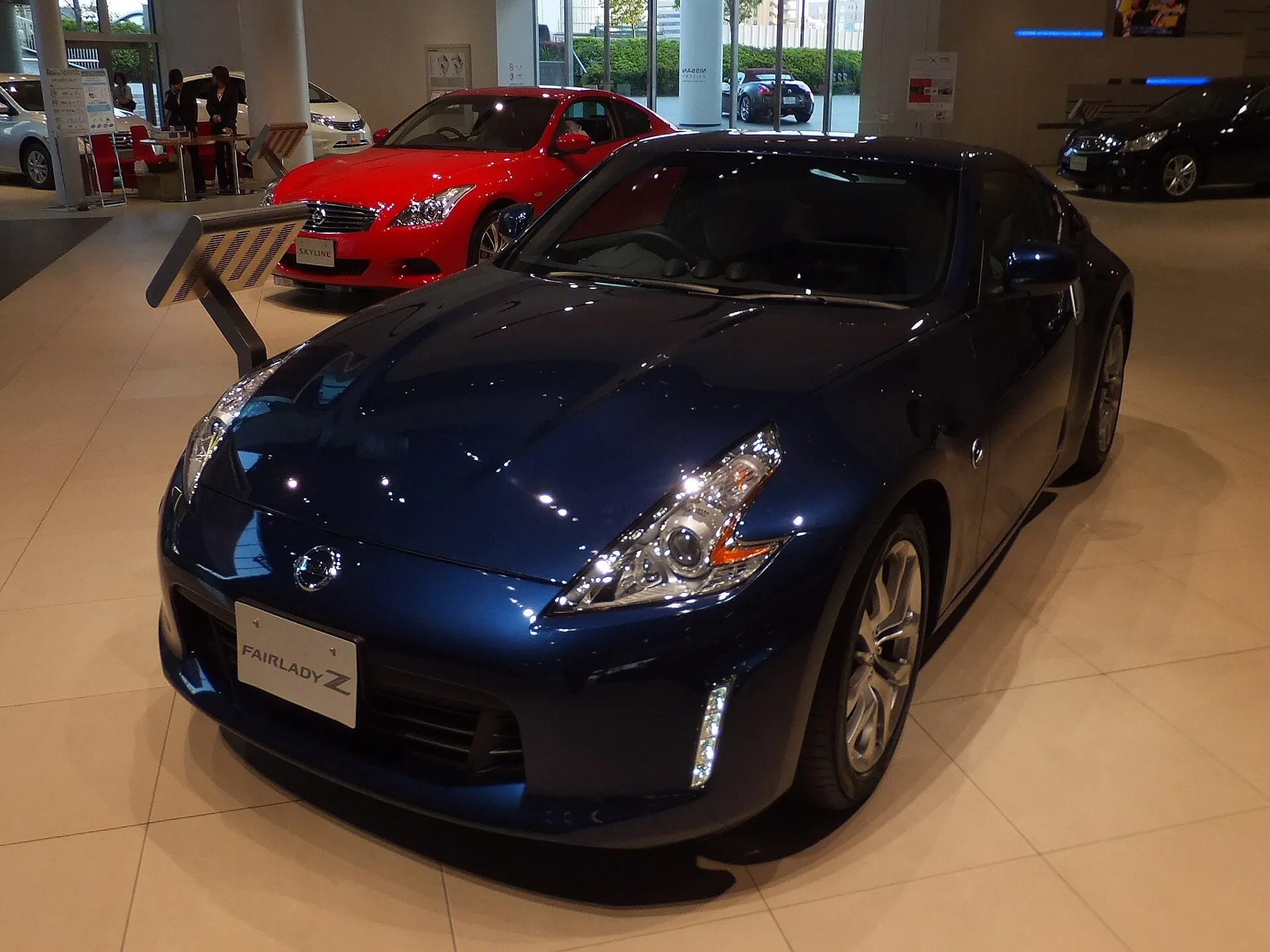
Japanese automaker revises global sales targets following a 32% drop in the Chinese market during the first nine months of the year.
Nissan has announced a reduction in the manufacturing of gasoline-powered vehicles in China. The decision comes as the local market shifts rapidly toward electric and hybrid models. The company admitted that the change in Chinese consumer behavior exceeded its initial expectations.
The automaker's sales volume in the Asian country fell by 22% in the first half of the year. Between January and September, the cumulative decline reached 32%. As a result, Nissan has revised its global annual sales target to a range between 2.97 million and 3 million units.
The company faces intense competition and an aggressive price war in the world's largest automotive market. Chief executive Ivan Espinosa described the Chinese landscape as a severe challenge. The brand is now seeking to expand its range of electric and plug-in hybrid vehicles to regain competitiveness.
This performance contrasts with results in North America and Japan. In those regions, the transition to electrification is slower due to policy decisions. Nissan is attempting to balance the profitability of combustion engines with the need to avoid losing ground to Chinese rivals.
The Chinese strategy of heavily subsidizing the electric vehicle industry has accelerated the rise of new competitors. This movement has forced traditional automakers to restructure their global production lines. Nissan plans to export part of its local production while adapting its portfolio to the new technological standard.
Spotted an error? Write to suporte@criptoico.com.br.