Global Markets Track Political Shifts and Geopolitical Risks
Democratic win in the US shifts focus to debt, conflicts, and inflation
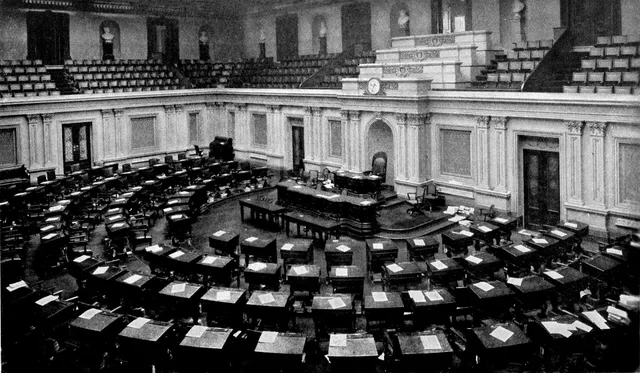
The results of the US legislative elections have introduced new elements to the global financial landscape. Markets are cautiously observing how these political shifts impact the debt levels of the world's largest economy and the rising tensions in the Middle East.
The ongoing conflict involving Iran keeps oil prices above one hundred dollars per barrel. This scenario increases operational costs for companies and puts pressure on global inflation. Rising energy prices are forcing central banks to consider stricter interest rate adjustments.
In the eurozone, inflation reached four percent in October, the highest level in three years. The European Central Bank is considering a rate hike in December to contain the ripple effect on prices. Geopolitical instability, which includes tensions with Venezuela and trade tariffs, is increasing uncertainty for investors.
The advancement of artificial intelligence continues to drive economic growth and corporate productivity. This technological phenomenon acts as a counterweight to fiscal and inflationary risks. The integration of new digital tools is changing the competitive dynamics across global sectors.
Uncertainty regarding US foreign policy and the trajectory of public debt is raising risk perception in global markets. A stronger dollar and volatility in energy prices may put pressure on risk assets and Bitcoin.
Spotted an error? Write to suporte@criptoico.com.br.