
East Libya Parliament Approves Maritime Deal with Turkey
The decision shifts regional alliances and draws strong diplomatic opposition from European powers and Egypt in the Mediterranean.
Geopolitics Editor: Fabricio Marcilio 1 min read
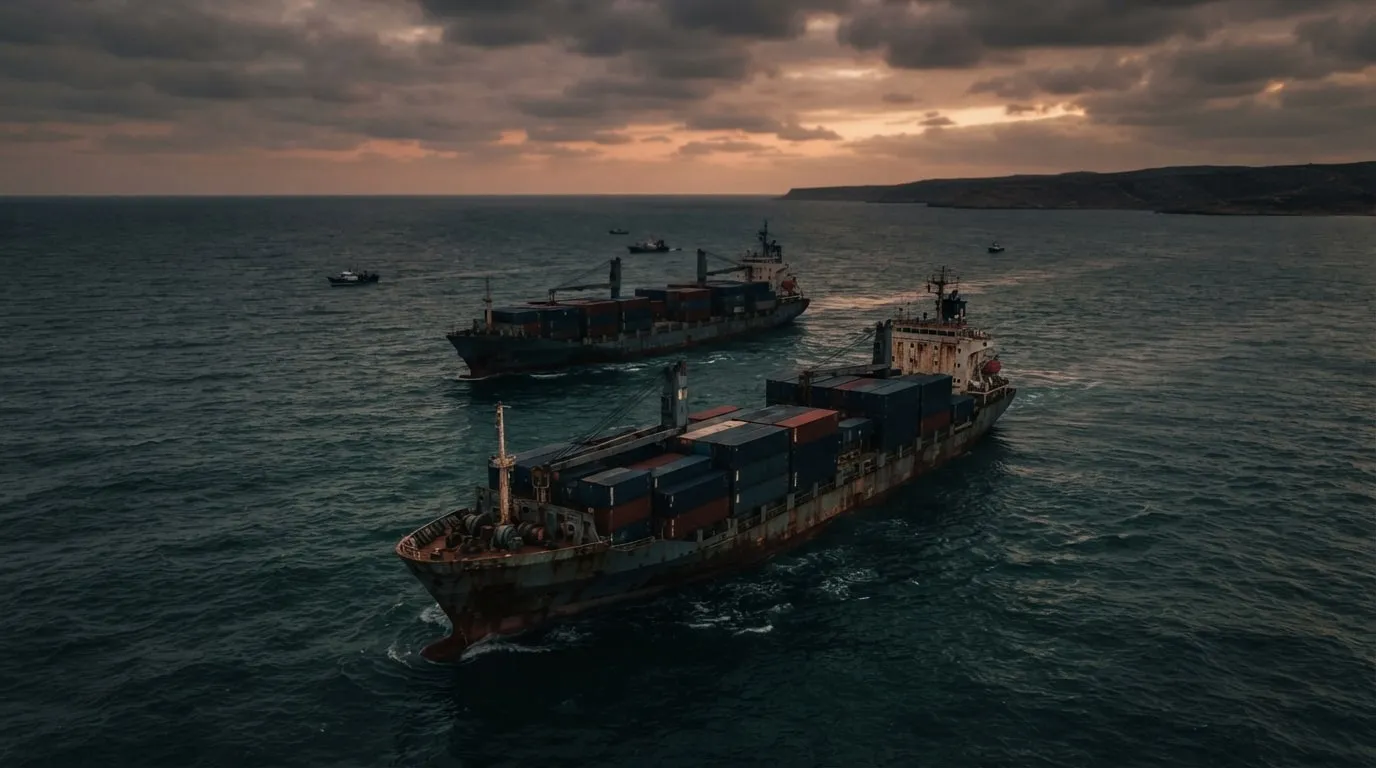
The parliament of eastern Libya has ratified a maritime border agreement originally signed with Turkey in 2019. The unanimous vote by the House of Representatives in Tobruk reverses a previous rejection issued by the same body in 2020. The pact defines exclusive economic zones between the two nations in the Mediterranean Sea.
Ankara maintains the legitimacy of the memorandum of understanding signed by President Recep Tayyip Erdogan and former Libyan Prime Minister Fayez al-Sarraj. The agreement allows Turkey to claim maritime areas with potential for natural gas exploration. This move follows years of warming relations between Turkey and the military leadership in eastern Libya.
Egypt and the European Union have labeled the act as null and void. The Egyptian government asserts that the maritime boundaries infringe upon its sovereign rights on the continental shelf. Greece and Israel also condemned the ratification and brought the case to the United Nations Security Council, citing violations of international law.
Geopolitical instability in the Eastern Mediterranean increases the risk of diplomatic and military tensions in the region. Such regional conflicts can boost the dollar as a safe-haven currency and generate volatility in global energy markets, indirectly impacting risk appetite for digital assets like Bitcoin.
Spotted an error? Write to suporte@criptoico.com.br.
More in Geopolitics
-
Uganda Imposes 21-Day Quarantine for Travelers From Congo
The measure aims to curb the spread of Ebola following cases in neighboring countries and questions regarding regional infections.
Geopolitics
-
Opposition Leader Maria Corina Machado Returns to Venezuela
The political figure returns amid protests for elections and an interim government backed by the United States.
Geopolitics
-
US-Iran Tensions Trigger Energy Crisis and Protests Across Europe
European governments shift stance and urge diplomacy as energy costs soar and social unrest grows
Geopolitics