
China and Russia Expand Control Over Arctic Trade Routes
Moscow and Beijing deal bolsters polar corridors as Europe faces infrastructure gaps in the region.
Geopolitics Editor: Fabricio Marcilio 1 min read
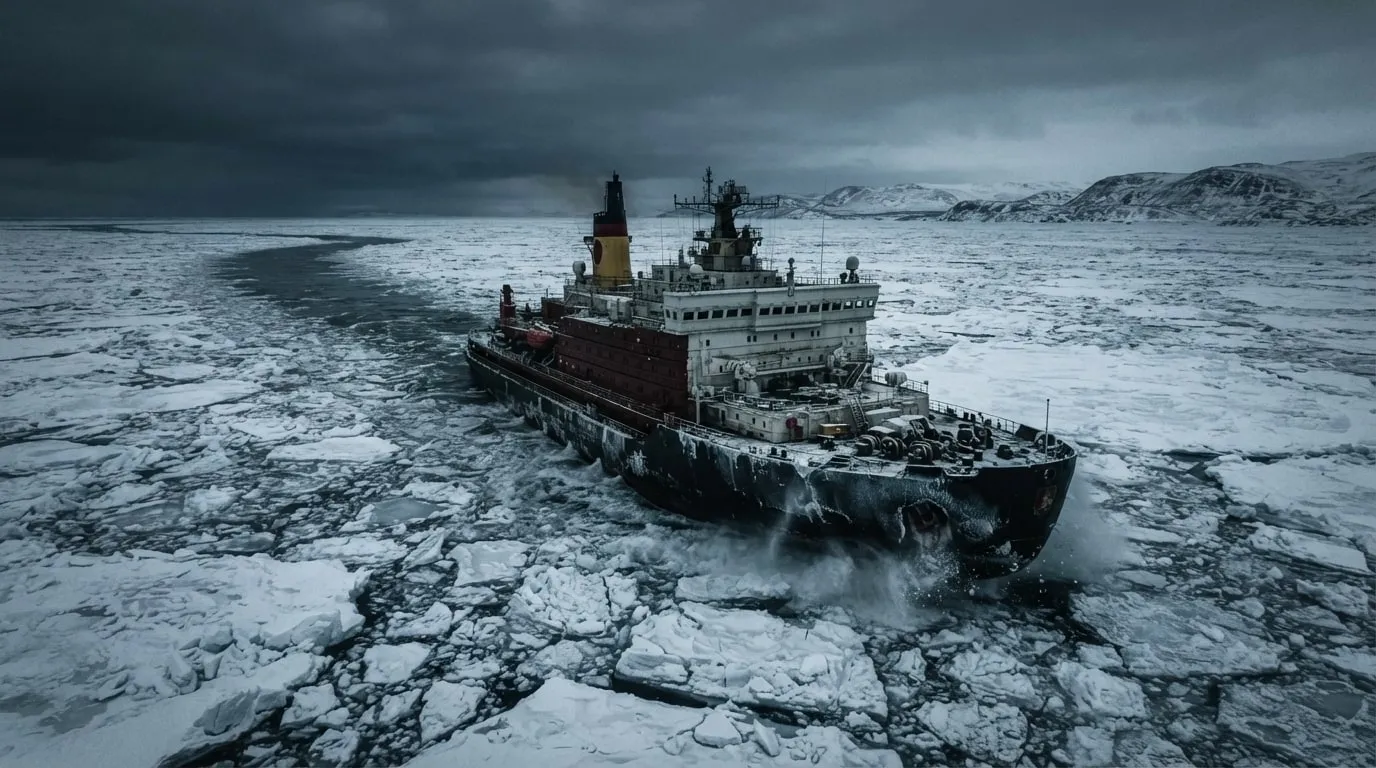
Russia and China have signed an agreement to expand cargo traffic and naval cooperation in the Arctic. The partnership focuses on developing maritime corridors and building polar vessels. This move solidifies the influence of both nations in a strategic area of growing global importance.
Moscow holds control over the Northern Sea Route and transit fees. Beijing provides the industrial capital and the cargo demand necessary for operations. Europe possesses limited icebreaker capacity and infrastructure, which hinders any attempt to compete with the Sino-Russian alliance.
The Arctic route reduces travel time between Asia and Europe by up to 35% compared to the Suez Canal. The path has become an alternative for exporting Russian energy in the face of Western sanctions. For China, the route reduces dependence on traditional maritime choke points.
Experts point out that the mutual economic dependence between the two countries is the central point of this expansion. Russia seeks to offset the loss of gas markets in Europe by selling energy to the Chinese market. This scenario intensifies the logistical integration between the two powers.
Spotted an error? Write to suporte@criptoico.com.br.
More in Geopolitics
-
US Midterms and Israeli Political Gridlock Shake Global Markets
Democrats lead in US polls as Israel's right wing faces uncertainty following a vote marked by controversial rhetoric.
Geopolitics
-
Israeli Assets Drop Amid Knesset Election Deadlock
Partial results show no clear majority for Benjamin Netanyahu or the opposition
Geopolitics
-
India-China Border Tensions Challenge Modi Administration
Persistent clashes in Arunachal Pradesh test India's diplomatic stability and national security.
Geopolitics