US-China Energy Rivalry Drives Up Global Costs
Geopolitical conflicts and the energy transition heighten uncertainty over fuel and renewable supply prices.
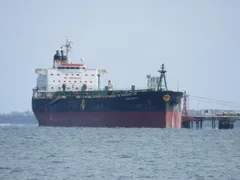
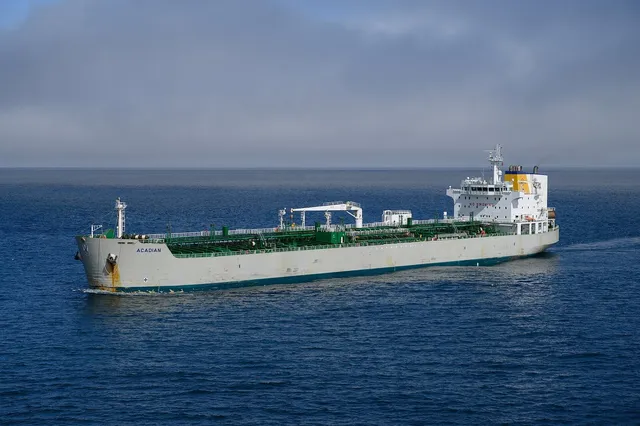
The strategic rivalry between the United States and China for dominance in the energy sector is directly impacting global costs. The closure of the Strait of Hormuz following attacks in the Middle East has driven up oil and gas prices. This scenario unfolds as Europe faces low reserves ahead of the winter season.
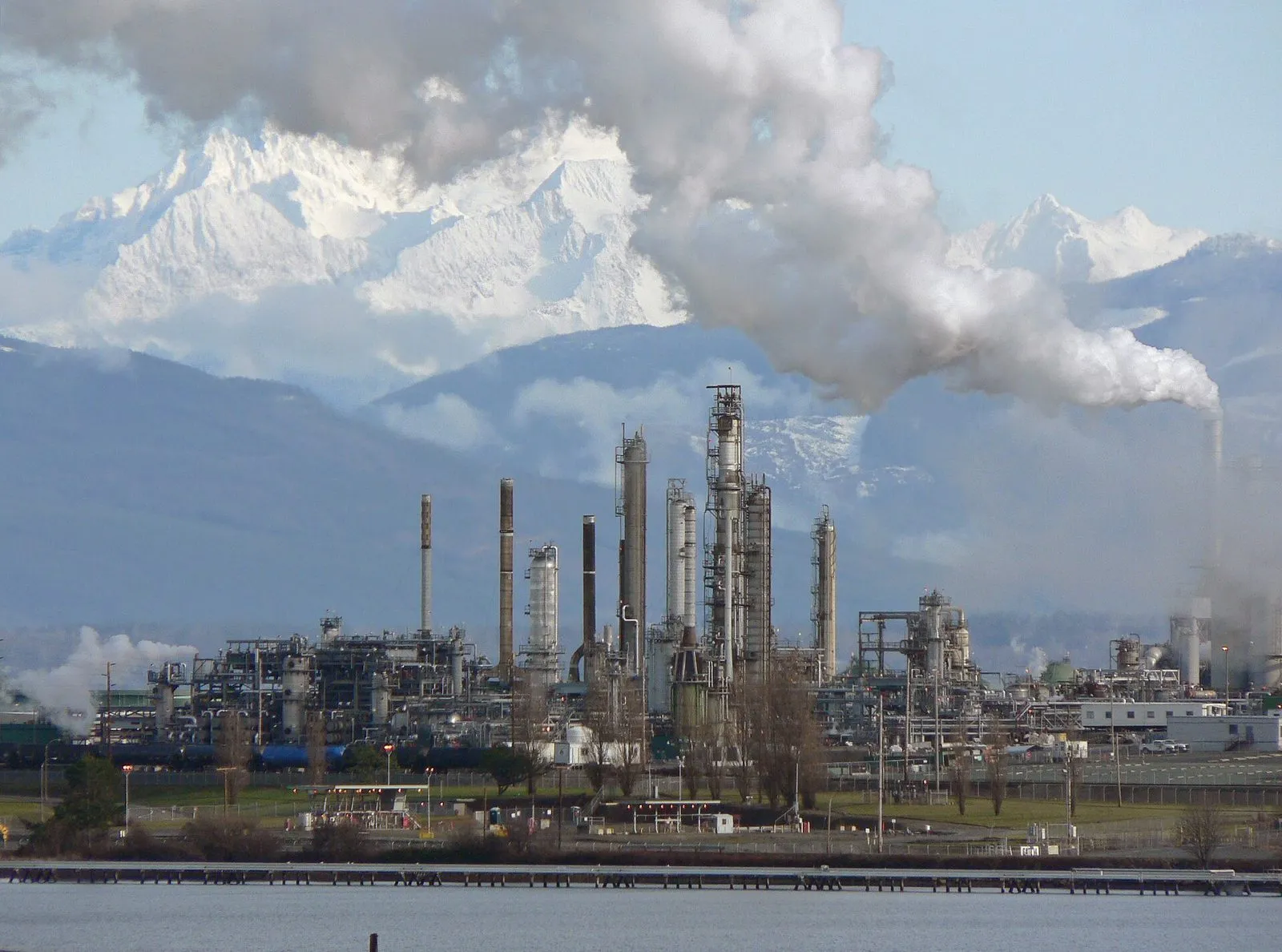
The United States is prioritizing the expansion of fossil fuel production while pushing allies for trade partnerships. In contrast, China dominates the market for solar panels and lithium batteries. This polarization leaves countries dependent on both sources in a position of economic vulnerability.
The transition to clean energy faces challenges as nations struggle to keep electricity bills affordable. The United Kingdom exemplifies this dilemma by importing American gas and Chinese renewable technology. Recent policy decisions, such as the blocking of Chinese investments in wind infrastructure, highlight the complexity of these choices.
Global warming adds further pressure to national energy policies. The COP31 climate summit underscores the clash between the development models of the two superpowers. The outcome of this competition will determine the pace of decarbonization and long-term energy price levels.
Spotted an error? Write to suporte@criptoico.com.br.