
UAE Strengthens Energy Infrastructure Amid Rising Regional Tensions
The nation is investing in new export routes and pipelines to boost sector resilience against Middle East geopolitical risks.
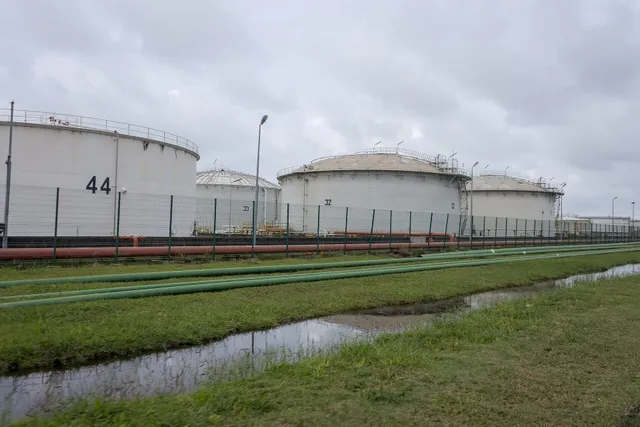
The United Arab Emirates has launched a strategic plan to protect its energy infrastructure. The government is focusing on developing alternative export routes and increasing storage capacity abroad.
Energy Minister Suhail al-Mazrouei confirmed the expansion of a pipeline connecting the territory to the port of Fujairah. The project aims to double the volume of crude oil transported outside the Strait of Hormuz region by the next annual cycle.
This move comes amid instability caused by the conflict involving Iran, Israel, and the United States. Local authorities are seeking to ensure the continuity of supply to global clients even in the event of potential blockades or regional crises.
In parallel, TotalEnergies assesses that fuel price volatility may accelerate the energy transition. Rising oil costs have encouraged the adoption of electric vehicles and low-carbon sources in various international markets.
Despite technological acceleration, demand for hydrocarbons remains robust in the petrochemical industry and the aviation sector. Natural gas consumption is projected to grow significantly by 2035 as global electricity needs continue to expand.
Spotted an error? Write to suporte@criptoico.com.br.