Lebanon Conflict Destroys Wheat Production and Local Ecosystems
Agricultural losses reach 61% in the south, worsening the humanitarian and environmental crisis
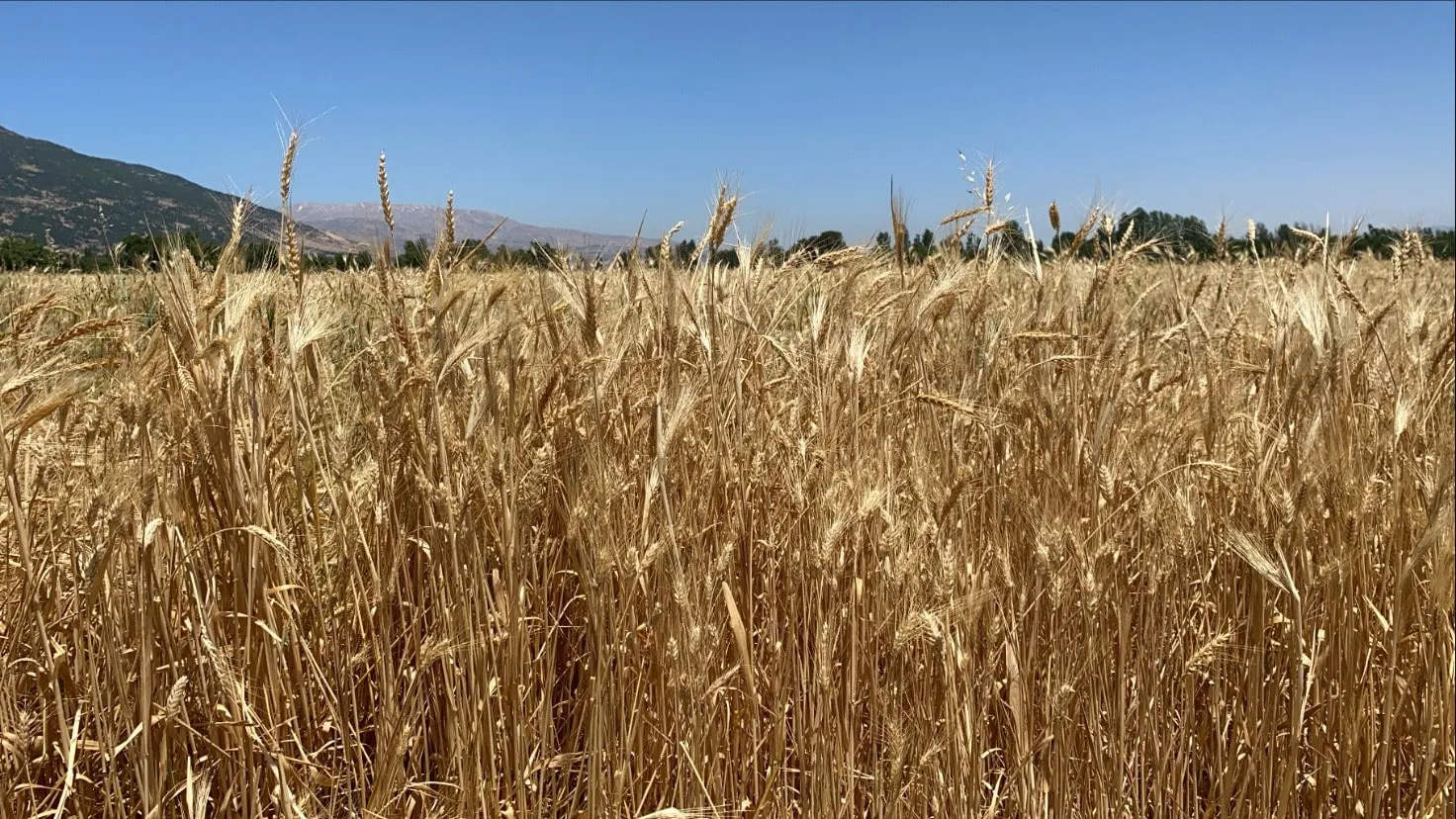
Wheat production in Lebanon is suffering severe impacts due to the destruction of farmland in the south and the Bekaa Valley. Data from the National Council for Scientific Research shows that losses in cultivated areas reached 61% during the 2024 to 2025 cycle.
Experts state that Israeli military actions are causing deep damage to entire ecosystems. The use of substances like white phosphorus contributes to soil degradation and increases the risk of long-term desertification.
The unstable environment has forced the abandonment of approximately 24% of productive land in the region. Rural infrastructure has been the target of constant detonations that prevent the continuation of traditional agricultural activities.
Ceasefire agreements mediated by international powers have failed to halt military offensives. Troops have advanced up to ten kilometers into Lebanese territory and maintain control over strategic farming zones.
The persistence of the conflict in the region raises the perception of global geopolitical risk and may pressure agricultural commodity prices in international markets. Instability in production zones fuels dollar volatility against emerging currencies and affects demand for reserve assets like Bitcoin.
Spotted an error? Write to suporte@criptoico.com.br.